
WAREHOUSE SAFETY TRAINING QUIZ.
This quiz evaluates your knowledge of warehouse safety protocols and daily operational hazards. From proper lifting to traffic management, it covers crucial areas every warehouse worker should know. Use it as part of ongoing safety training.
Introduction
Warehouse safety is critical to protecting employees and maintaining efficient operations. This comprehensive quiz covers essential safety topics including equipment operation, hazard recognition, emergency procedures, and proper handling techniques. Test your knowledge with these 50 questions designed to reinforce key safety principles and regulations. Each question has four options (A-D), with all correct answers provided at the end for easy reference.
✅Related: Health and Safety Practice Quiz
- What is the maximum safe lifting weight for an average person without mechanical assistance?
- A) 10 kg
- B) 25 kg
- C) 50 kg
- D) 75 kg
- How often should fire extinguishers be inspected in a warehouse?
- A) Annually
- B) Every 6 months
- C) Monthly
- D) Weekly
- What does the acronym PPE stand for?
- A) Personal Protection Equipment
- B) Personal Protective Equipment
- C) Protective Personal Equipment
- D) Primary Protection Equipment
- At what height does fall protection become mandatory?
- A) 1 meter
- B) 1.5 meters
- C) 2 meters
- D) 3 meters
- What is the recommended aisle width for two-way forklift traffic?
- A) 2 meters
- B) 3 meters
- C) 4 meters
- D) 5 meters
- How many points of contact should you maintain when climbing a ladder?
- A) 1 point
- B) 2 points
- C) 3 points
- D) 4 points
- What color are emergency exit signs typically required to be?
- A) Red
- B) Green
- C) Yellow
- D) Blue
- What is the first step in operating a fire extinguisher using the PASS method?
- A) Aim at the base of the fire
- B) Pull the pin
- C) Squeeze the handle
- D) Sweep side to side
- How far should materials be stored from sprinkler heads?
- A) 12 inches
- B) 18 inches
- C) 24 inches
- D) 36 inches
- What is the maximum speed limit for forklifts in most warehouses?
- A) 5 mph
- B) 10 mph
- C) 15 mph
- D) 20 mph
- How often should forklift operators conduct pre-operational checks?
- A) Weekly
- B) Daily
- C) Monthly
- D) Before each shift
- What type of footwear is required in most warehouse environments?
- A) Sneakers
- B) Steel-toed boots
- C) Sandals
- D) Dress shoes
- What does SDS stand for in safety documentation?
- A) Safety Data Sheet
- B) Standard Documentation System
- C) Safety Documentation Standard
- D) Secure Data Storage
- What is the proper lifting technique?
- A) Bend at waist, lift with back
- B) Bend knees, lift with legs
- C) Keep legs straight, bend back
- D) Twist while lifting
- How should you position loads on pallet racks?
- A) Heaviest items on top
- B) Random placement
- C) Heaviest items on bottom
- D) Only on one side
- What is the minimum distance a pedestrian should maintain from operating forklifts?
- A) 1 meter
- B) 2 meters
- C) 3 meters
- D) 5 meters
- How often should warehouse employees receive safety training refreshers?
- A) Every 6 months
- B) Annually
- C) Every 2 years
- D) Every 3 years
- What color indicates caution or warning in safety signage?
- A) Red
- B) Blue
- C) Yellow
- D) Green
- What should you do immediately after a minor workplace injury?
- A) Continue working
- B) Report it to supervisor
- C) Go home
- D) Ignore it
- What is the maximum load capacity guidance for pallet racks?
- A) Estimate based on appearance
- B) Test until it breaks
- C) Follow manufacturer's specifications
- D) Double the weight limit
- When should you use hearing protection in a warehouse?
- A) Never needed
- B) Only when requested
- C) When noise exceeds 85 decibels
- D) Only during breaks
- What is the proper way to handle hazardous materials?
- A) Without gloves for better grip
- B) Following SDS instructions
- C) Using any available container
- D) Without reading labels
- What should be done with damaged pallets?
- A) Use them carefully
- B) Stack them higher
- C) Remove from service immediately
- D) Repair them yourself
- How should emergency exits be maintained?
- A) Can be partially blocked
- B) Used for storage when not needed
- C) Always clear and unobstructed
- D) Locked during work hours
- What is the correct procedure before entering a confined space?
- A) Just enter quickly
- B) Test atmosphere and get permit
- C) Send new employees first
- D) Enter alone to save time
- How should spills be handled in the warehouse?
- A) Leave for cleaning crew
- B) Cover with cardboard
- C) Clean immediately following protocol
- D) Ignore small spills
- What is the purpose of lock-out/tag-out procedures?
- A) To save energy
- B) To prevent unauthorized equipment startup
- C) To label broken equipment
- D) To track equipment usage
- What should you wear when working with chemicals?
- A) Regular clothing only
- B) Appropriate PPE including gloves and goggles
- C) Just gloves
- D) Just safety glasses
- How should compressed gas cylinders be stored?
- A) Lying down horizontally
- B) Upright and secured with chains or straps
- C) In any convenient position
- D) Unsecured in open areas
- What is the recommended maximum height for manual stacking?
- A) As high as possible
- B) 1.5 meters
- C) 3 meters
- D) No limit if stable
- When should safety guards on equipment be removed?
- A) When they get in the way
- B) During cleaning only
- C) Never, unless equipment is locked out
- D) When working quickly
- What does the red color in safety signs typically indicate?
- A) Caution
- B) Danger or stop
- C) Safety equipment
- D) Information
- How far should flammable materials be stored from ignition sources?
- A) 5 feet
- B) 10 feet
- C) 20 feet
- D) 50 feet
- What should you do if you notice a safety hazard?
- A) Ignore it if it's not in your area
- B) Report it immediately to supervisor
- C) Fix it only if you have time
- D) Wait until the end of shift
- How should you approach blind corners or intersections with a forklift?
- A) Speed up to get through quickly
- B) Sound horn and slow down
- C) Assume right of way
- D) Close your eyes and proceed
- What is the proper way to dispose of oily rags?
- A) Regular trash bin
- B) Leave them on workbench
- C) Metal container with self-closing lid
- D) Any available container
- How often should safety equipment like harnesses be inspected?
- A) Once a year
- B) Before each use
- C) When it looks worn
- D) Never, they're new
- What should you do if a forklift starts to tip over?
- A) Jump off immediately
- B) Stay in seat, lean away from fall, hold on
- C) Try to balance it
- D) Stand up quickly
- How should electrical cords be positioned in walkways?
- A) Taped down or covered with cord protectors
- B) Left loose for flexibility
- C) Hanging overhead
- D) Under carpets or mats
- What is the minimum required illumination for warehouse aisles?
- A) 5 foot-candles
- B) 10 foot-candles
- C) 20 foot-candles
- D) 50 foot-candles
- When is it acceptable to use a forklift without certification?
- A) In emergencies
- B) For short distances
- C) When supervised
- D) Never
- What should you check before using a ladder?
- A) Only the first rung
- B) All rungs, rails, and stability
- C) Just the height
- D) Nothing, ladders are always safe
- How should batteries be handled in electric forklifts?
- A) With bare hands
- B) Only when wearing PPE in designated area
- C) While smoking to save time
- D) Without safety training
- What is the purpose of machine guards?
- A) Decorative purposes
- B) Protect operators from moving parts
- C) Make equipment look better
- D) Slow down production
- How should you carry long materials?
- A) Drag on the ground
- B) Over your shoulder vertically
- C) Horizontally at waist level with help if needed
- D) Above your head
- What should be included in a warehouse emergency action plan?
- A) Only fire procedures
- B) Evacuation routes, assembly points, emergency contacts
- C) Just a phone number
- D) Nothing specific
- How often should warehouse lighting be checked and maintained?
- A) Never
- B) When bulbs burn out only
- C) Regularly as part of safety inspections
- D) Every 5 years
- What is the correct order for donning PPE?
- A) Any order is fine
- B) Gown, mask, goggles, gloves
- C) Gloves first, then everything else
- D) Goggles last
- How should you handle a small fire in its early stages?
- A) Throw water on it immediately
- B) Use appropriate fire extinguisher if trained and safe
- C) Run away without alerting anyone
- D) Try to move burning materials
- What is required before operating any warehouse equipment?
- A) Manager's verbal permission only
- B) Proper training, authorization, and understanding of safety procedures
- C) Just watching someone else do it
- D) Reading the manual once
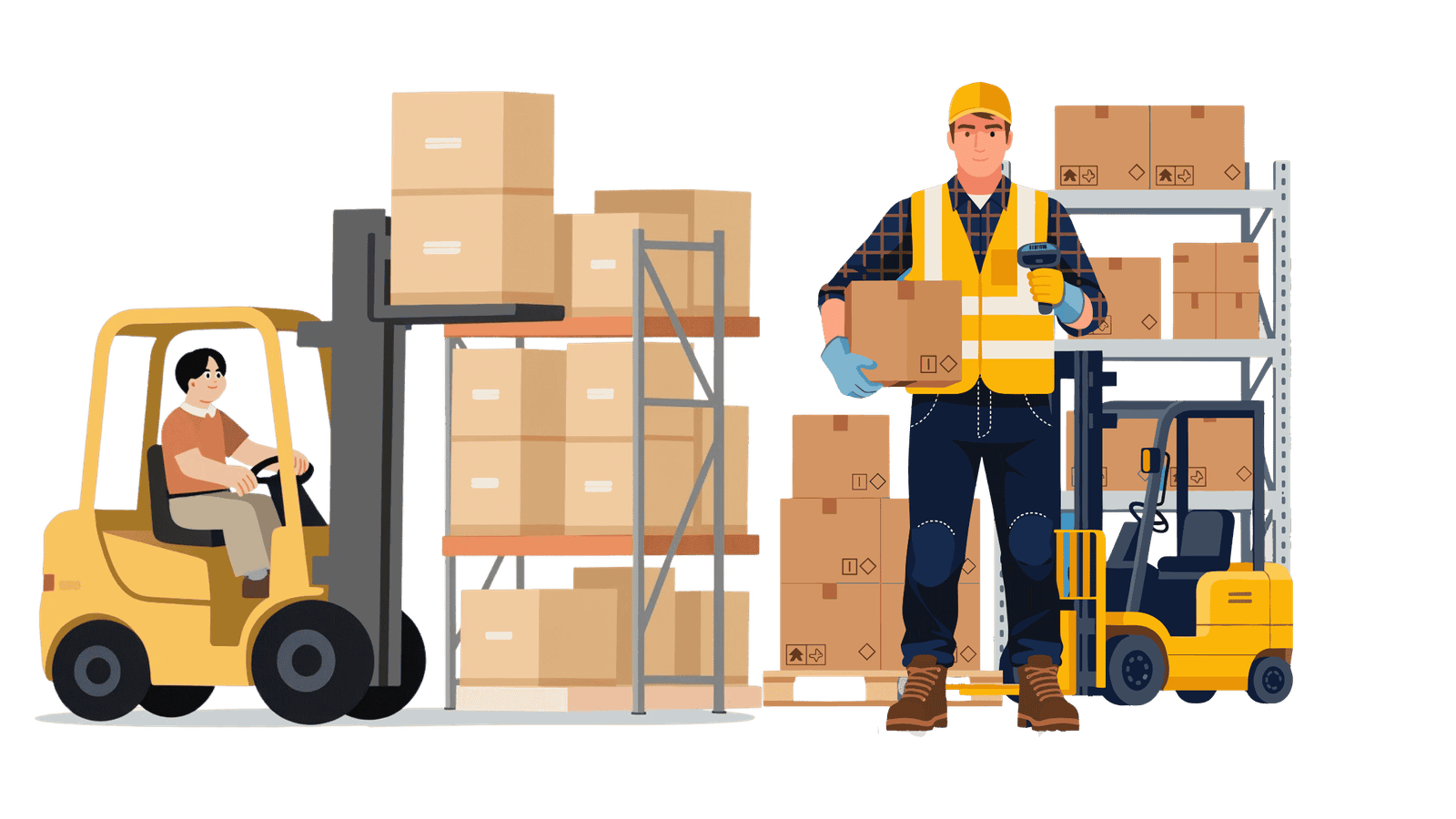
Warehouse Safety Questions ANSWER KEY
1. B) 25 kg
2. C) Monthly
3. B) Personal Protective Equipment
4. C) 2 meters
5. C) 4 meters
6. C) 3 points
7. B) Green
8. B) Pull the pin
9. B) 18 inches
10. A) 5 mph
11. D) Before each shift
12. B) Steel-toed boots
13. A) Safety Data Sheet
14. B) Bend knees, lift with legs
15. C) Heaviest items on bottom
16. C) 3 meters
17. B) Annually
18. C) Yellow
19. B) Report it to supervisor
20. C) Follow manufacturer's specifications
21. C) When noise exceeds 85 decibels
22. B) Following SDS instructions
23. C) Remove from service immediately
24. C) Always clear and unobstructed
25. B) Test atmosphere and get permit
26. C) Clean immediately following protocol
27. B) To prevent unauthorized equipment startup
28. B) Appropriate PPE including gloves and goggles
29. B) Upright and secured with chains or straps
30. B) 1.5 meters
31. C) Never, unless equipment is locked out
32. B) Danger or stop
33. C) 20 feet
34. B) Report it immediately to supervisor
35. B) Sound horn and slow down
36. C) Metal container with self-closing lid
37. B) Before each use
38. B) Stay in seat, lean away from fall, hold on
39. A) Taped down or covered with cord protectors
40. B) 10 foot-candles
41. D) Never
42. B) All rungs, rails, and stability
43. B) Only when wearing PPE in designated area
44. B) Protect operators from moving parts
45. C) Horizontally at waist level with help if needed
46. B) Evacuation routes, assembly points, emergency contacts
47. C) Regularly as part of safety inspections
48. B) Gown, mask, goggles, gloves
49. B) Use appropriate fire extinguisher if trained and safe
50. B) Proper training, authorization, and understanding of safety procedures

Warehouse Safety Training Quiz - Section 2
Question 51-100
- What is the correct way to store chemicals in a warehouse?
- A) Mix different chemicals together to save space
- B) Store alphabetically regardless of compatibility
- C) Segregate by hazard class and compatibility
- D) Store in direct sunlight
- How wide should pedestrian walkways be in a warehouse?
- A) 1 foot
- B) 2 feet
- C) 4 feet minimum
- D) No minimum required
- What should you do before moving a loaded pallet with a forklift?
- A) Check that load is stable and secure
- B) Move as quickly as possible
- C) Honk horn continuously
- D) Raise forks to maximum height
- When should warehouse racking be inspected for damage?
- A) Only after accidents
- B) Annually
- C) Regularly and after any impact
- D) Never, it's very sturdy
- What is the proper procedure for reporting a near-miss incident?
- A) Don't report it since no one was injured
- B) Report immediately to prevent future accidents
- C) Wait until the end of the week
- D) Only tell coworkers
- How should you handle a leaking chemical container?
- A) Ignore if leak is small
- B) Transfer to another container immediately
- C) Contain, isolate area, and follow SDS procedures
- D) Wash it down the drain
- What is the maximum angle for a portable ladder?
- A) 45 degrees
- B) 60 degrees
- C) 75 degrees
- D) 90 degrees
- When is it safe to walk under a raised forklift load?
- A) If you walk quickly
- B) If the operator gives permission
- C) During breaks only
- D) Never
- What should you do if you see frayed electrical wiring?
- A) Wrap it with tape
- B) Tag out and report immediately
- C) Use it carefully
- D) Ignore if equipment still works
- How often should emergency evacuation drills be conducted?
- A) Once per year
- B) Every 5 years
- C) At least twice per year
- D) Never needed if plan exists
- What is the proper way to descend a ladder?
- A) Jump from halfway down
- B) Face the ladder, maintain 3 points of contact
- C) Slide down the rails
- D) Face away from ladder
- Where should first aid kits be located in a warehouse?
- A) Manager's office only
- B) Easily accessible locations known to all employees
- C) Locked storage room
- D) Outside the building
- What is required when working at heights above 2 meters?
- A) Nothing special
- B) Fall protection equipment
- C) A warning sign
- D) Supervisor watching
- How should you store items on upper rack levels?
- A) Overhang edges for easy access
- B) Completely within rack boundaries
- C) Stacked as high as possible
- D) Without any securing
- What should you do if a fire alarm sounds?
- A) Finish your current task first
- B) Evacuate immediately via nearest safe exit
- C) Investigate the cause
- D) Wait for supervisor instructions
- How much load capacity should be derated when lifting on uneven surfaces?
- A) No change needed
- B) 10-20%
- C) 40-50%
- D) Double the capacity
- What is the minimum safe distance from the edge when working on a loading dock?
- A) 1 foot
- B) 2 feet
- C) 4 feet
- D) No minimum
- When should safety data sheets (SDS) be accessible?
- A) Only during business hours
- B) At all times when chemicals are present
- C) Once per month
- D) Only for managers
- What should you wear when handling sharp objects or materials?
- A) Regular gloves
- B) Cut-resistant gloves
- C) No gloves for better grip
- D) Cloth gloves
- How should dock plates/boards be secured?
- A) Left loose for flexibility
- B) Properly secured or equipped with safety devices
- C) Not necessary to secure
- D) Only during busy times
- What is the purpose of yellow floor markings in warehouses?
- A) Decoration
- B) Indicate caution areas or pedestrian walkways
- C) Show where to park cars
- D) Mark supervisor areas
- When should you replace worn or damaged PPE?
- A) At end of year
- B) When it completely fails
- C) Immediately when damage is noticed
- D) Never, just be careful
- What should operators do before leaving a forklift unattended?
- A) Leave it running
- B) Lower forks, apply brake, remove key, turn off
- C) Just walk away
- D) Leave keys in ignition
- How should compressed air be used for cleaning?
- A) At full pressure for efficiency
- B) Never point at people, use at reduced pressure
- C) Blow dust toward others
- D) Use maximum pressure always
- What is the recommended method for team lifting?
- A) Everyone lifts at different times
- B) One person counts and coordinates lift
- C) Fastest person leads
- D) No coordination needed
- Where should propane cylinders for forklifts be stored?
- A) Inside near heat sources
- B) Well-ventilated area away from ignition sources
- C) Any available space
- D) In direct sunlight
- What should you do before using mobile stairs or platforms?
- A) Just climb up
- B) Ensure wheels are locked/stabilized
- C) Push while climbing
- D) Check only the top step
- How should warehouse aisles be kept?
- A) Some clutter is acceptable
- B) Clear of obstructions at all times
- C) Blocked during slow periods
- D) Used for temporary storage
- What is the proper hand position when using a box cutter?
- A) Cut toward yourself
- B) Cut away from body, keep free hand clear
- C) Use both hands on knife
- D) Cut without looking
- When should stretching exercises be performed?
- A) Never necessary
- B) Before starting physical work
- C) Only if you feel pain
- D) At end of shift only
- What information must be on a hazardous material label?
- A) Only the chemical name
- B) Product identifier, hazard warnings, supplier info
- C) Just the color of contents
- D) Company logo only
- How should you handle a trapped person in equipment?
- A) Try to remove them yourself
- B) Shut down equipment, call emergency services
- C) Start equipment to free them
- D) Wait and see if they free themselves
- What is the maximum number of extension cords that should be connected together?
- A) As many as needed
- B) None - they shouldn't be daisy-chained
- C) 5 cords
- D) 10 cords
- When should safety shoes be replaced?
- A) Never, they last forever
- B) When they no longer provide adequate protection
- C) Every 10 years
- D) When they get dirty
- What should you do if you witness a coworker working unsafely?
- A) Mind your own business
- B) Politely intervene and report if necessary
- C) Video record them
- D) Tell other coworkers but not supervisor
- How should delivery trucks be secured at loading docks?
- A) No securing needed
- B) Wheel chocks and/or dock locks
- C) Just turn off engine
- D) Park brake only
- What is the proper way to handle pallets with protruding nails?
- A) Use carefully
- B) Remove from service and repair or dispose
- C) Turn upside down
- D) Stack at bottom only
- When should you use a spotter while operating equipment?
- A) Never needed
- B) When visibility is limited or in congested areas
- C) Only for new operators
- D) Only during training
- What should be done with damaged safety equipment?
- A) Use until replacement arrives
- B) Immediately remove from service and tag
- C) Repair yourself
- D) Give to new employees
- How should inventory be stacked to prevent collapse?
- A) Pyramid style, narrow at base
- B) Straight vertical columns, wider base, interlocked
- C) Random arrangement
- D) All weight on one side
- What is the requirement for working alone in a warehouse?
- A) Not allowed under any circumstances
- B) Check-in procedures and emergency communication
- C) No special requirements
- D) Must have camera watching
- How should you approach someone working with headphones on?
- A) Tap them on shoulder from behind
- B) Enter visual field first, then get attention
- C) Yell loudly
- D) Startle them for safety
- What is the proper procedure for entering a forklift?
- A) Jump on while moving
- B) Use three points of contact, face equipment
- C) Climb on from any side
- D) Jump from above
- When should safety meetings be held?
- A) Only after accidents
- B) Regularly (weekly, monthly) and as needed
- C) Once per year
- D) Never, waste of time
- What should you do with a burnt-out light bulb in a high bay fixture?
- A) Replace it yourself on a ladder
- B) Report to maintenance for proper equipment/training
- C) Leave it burnt out
- D) Stand on forklift to reach
- How should manual pallet jacks be operated on ramps?
- A) Keep load downhill always
- B) Keep load uphill for control
- C) Sideways across ramp
- D) Direction doesn't matter
- What is required before entering any tank or vessel?
- A) Verbal permission
- B) Confined space entry permit and atmospheric testing
- C) Just open the hatch
- D) Send someone young and healthy
- How should you handle stress or fatigue at work?
- A) Push through regardless
- B) Inform supervisor, take breaks as needed
- C) Drink energy drinks
- D) Hide it from everyone
- What is the purpose of safety toe caps on boots?
- A) Fashion statement
- B) Protect feet from crushing/impact injuries
- C) Make boots heavier
- D) Required by dress code only
- When is it acceptable to bypass a safety device on equipment?
- A) When in a hurry
- B) If you're experienced
- C) With supervisor approval
- D) Never acceptable

ANSWER KEY (Questions 51-100)
- C) Segregate by hazard class and compatibility
- C) 4 feet minimum
- A) Check that load is stable and secure
- C) Regularly and after any impact
- B) Report immediately to prevent future accidents
- C) Contain, isolate area, and follow SDS procedures
- C) 75 degrees
- D) Never
- B) Tag out and report immediately
- C) At least twice per year
- B) Face the ladder, maintain 3 points of contact
- B) Easily accessible locations known to all employees
- B) Fall protection equipment
- B) Completely within rack boundaries
- B) Evacuate immediately via nearest safe exit
- C) 40-50%
- B) 2 feet
- B) At all times when chemicals are present
- B) Cut-resistant gloves
- B) Properly secured or equipped with safety devices
- B) Indicate caution areas or pedestrian walkways
- C) Immediately when damage is noticed
- B) Lower forks, apply brake, remove key, turn off
- B) Never point at people, use at reduced pressure
- B) One person counts and coordinates lift
- B) Well-ventilated area away from ignition sources
- B) Ensure wheels are locked/stabilized
- B) Clear of obstructions at all times
- B) Cut away from body, keep free hand clear
- B) Before starting physical work
- B) Product identifier, hazard warnings, supplier info
- B) Shut down equipment, call emergency services
- B) None - they shouldn't be daisy-chained
- B) When they no longer provide adequate protection
- B) Politely intervene and report if necessary
- B) Wheel chocks and/or dock locks
- B) Remove from service and repair or dispose
- B) When visibility is limited or in congested areas
- B) Immediately remove from service and tag
- B) Straight vertical columns, wider base, interlocked
- B) Check-in procedures and emergency communication
- B) Enter visual field first, then get attention
- B) Use three points of contact, face equipment
- B) Regularly (weekly, monthly) and as needed
- B) Report to maintenance for proper equipment/training
- B) Keep load uphill for control
- B) Confined space entry permit and atmospheric testing
- B) Inform supervisor, take breaks as needed
- B) Protect feet from crushing/impact injuries
- D) Never acceptable