
Rights of Medication Administration: A Comprehensive Guide
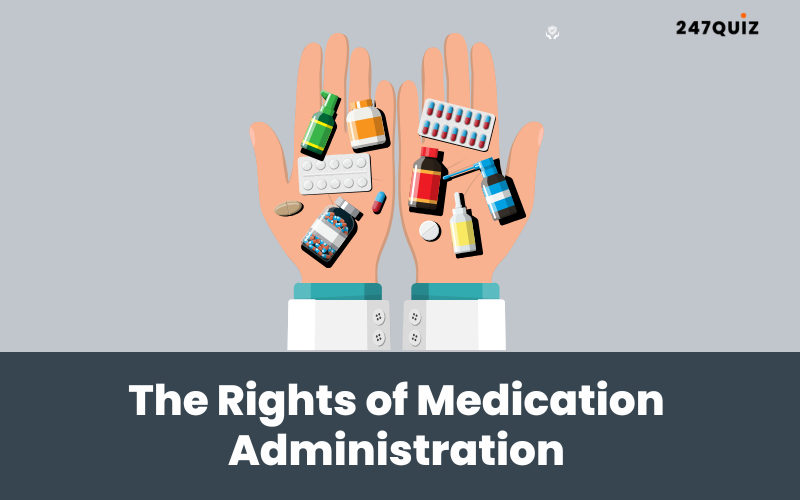
The “rights” of medication administration are a set of safety checks used by healthcare professionals to prevent errors and ensure patient safety. These principles act as a structured framework for verifying every step of the medication process.
While the traditional standard began with the Five Rights, modern practice often includes six, eight, or even ten rights, reflecting a more holistic approach to patient care.
Medication errors can lead to serious harm, including adverse drug reactions, prolonged hospital stays, or even death.
By following these rights, clinicians reduce risk and uphold ethical and legal standards.
The Core Five Rights
These foundational checks are performed before any medication is given:
-
Right Patient
Verify the patient’s identity using at least two unique identifiers, such as full name and date of birth. Check their wristband or medical record to ensure accuracy. This prevents one of the most dangerous errors—giving medication to the wrong person.
-
Right Medication
Compare the medication label with the prescription or Medication Administration Record (MAR). Confirm the generic name, check for expiration, and ensure the medication matches the order. Pay attention to look-alike or sound-alike drugs, which are common sources of mistakes.
-
Right Dose
Confirm the dosage amount is correct as prescribed. This may involve independent double-checks for high-risk medications like insulin or anticoagulants, or performing calculations for pediatric patients. Incorrect dosing can lead to toxicity or ineffective treatment.
-
Right Route
Ensure the medication is administered through the correct method—oral, intravenous, intramuscular, subcutaneous, topical, or inhalation—as specified in the order. Giving medication via the wrong route can drastically alter its effect and cause harm.
-
Right Time
Administer the medication at the scheduled frequency and exact time prescribed. Verify when the last dose was given to maintain therapeutic levels and avoid toxicity. Most policies allow a 30-minute window around scheduled times, but deviations must be documented.
💡The rights of medication administration serve as essential safety checks that ensure patients receive the correct treatment safely and accurately. The foundational framework includes the 6 Rights: Right Person, Right Medicine, Right Dose, Right Route, Right Time, and the Right to Refuse.
Modern healthcare guidance expands these into the 10 or 12 Rights, adding key elements such as patient education, thorough documentation, appropriate clinical reasoning, and proper medication disposal. These expanded rights strengthen patient involvement, promote informed decision‑making, and emphasize complete care processes—not just the act of administering medicine.
Additional Modern Rights
To strengthen safety and patient-centered care, many healthcare systems have expanded the list to include:
-
Right Documentation
Accurately record the administration after it has occurred, noting the time, dose, and route. Documentation ensures continuity of care and provides a legal record. Remember: “If it’s not documented, it wasn’t done.”
-
Right to Refuse
Patients with mental capacity have the legal right to decline medication. Their decision must be respected and documented, and the prescriber should be informed promptly.
-
Right Assessment
Check that the patient actually needs the medication at that moment. For example, measure blood pressure before giving antihypertensives or check blood glucose before insulin. Also, screen for allergies or contraindications.
-
Right Education
Explain the medication’s purpose, dosage, and potential side effects to the patient. This empowers them to give informed consent and promotes adherence to treatment.
-
Right Evaluation/Response
Monitor the patient after administration to ensure the medication is having the desired effect and that no adverse reactions occur. Early detection of side effects can prevent complications.
Standard “Three Checks”
Nurses typically perform these rights during three distinct checks:
- First Check: When pulling the medication from storage.
- Second Check: While preparing the medication.
- Third Check: At the bedside, just before administration to the patient.
These checks act as multiple safety barriers to catch errors before they reach the patient.

Rights of Medication Administration Quiz | Pass Mark: 80%
1. The Rights of Medication Administration exist to prevent medication errors.
2. How many identifiers should be used to verify the right patient?
3. Checking for allergies is part of safe medication administration.
4. Which right ensures the correct amount of medication is given?
5. High-risk medications often require independent double-checks.
6. Giving medication via the wrong route can change its effect.
7. Which route is specified in a medication order?
8. Most facilities allow a medication timing window of about 30 minutes.
9. Patients with capacity have the right to refuse medication.
10. A refusal of medication should be documented and reported.
11. Documentation should occur after medication administration.
12. What does the Right Assessment include?
13. Educating patients improves adherence and informed consent.
14. Monitoring for side effects relates to which right?
15. The three-check process occurs only once.
16. Bar-coded medication systems help reduce errors.
17. Illegible handwriting can contribute to medication errors.
18. Which principle means “do no harm”?
19. Medication should only be given by competent, trained staff.
20. Workload pressure can negatively affect medication safety.
Legal and Ethical Responsibilities
The legal and ethical responsibilities of medication administration are anchored in the Rights of Medication Administration and key principles such as patient autonomy, beneficence, and non‑maleficence.
Healthcare professionals must follow established standards to prevent harm and are fully accountable for their actions.
1. Duty of Care
Healthcare staff must provide care that meets the standard of a competent practitioner in the same role. Failing to meet this standard may constitute negligence.
2. Informed Consent and Autonomy
Patients have the legal and ethical right to be informed about their treatment and to make their own decisions, including refusing medication. When a patient lacks capacity, decisions must follow the relevant legal framework (e.g., Mental Capacity Act 2005 in the UK).
3. Beneficence and Non‑maleficence
Practitioners must act in the patient’s best interest and avoid causing harm. These principles reinforce the need for accurate, safe medication practices.
4. Accountability and Duty of Candour
Professionals are responsible for their clinical decisions. They must be open and honest with patients when errors occur, report incidents, and support investigation processes.
5. Confidentiality
All patient information, including medication-related details, must be kept confidential and handled in accordance with data protection laws.
6. Competency and Scope of Practice
Medication should only be administered by staff who are trained, competent, and acting within their legal scope of practice. Regular training and competency assessments are required.
Adhering to these rights is a legal and ethical obligation. Nurses and other healthcare professionals must comply with regulatory standards and institutional policies.
Failure to do so can result in disciplinary action, litigation, and, most importantly, patient harm. Ethical principles such as beneficence (doing good), non-maleficence (avoiding harm), and respect for autonomy underpin these practices.
Practical Application and Challenges of the Rights of Medication Administration
Applying the Rights of Medication Administration requires integrating strict safety protocols into a fast‑paced clinical environment.
Although these rights provide a critical safety framework, real‑world conditions often make consistent adherence difficult.
Practical Application of the Rights of Medication Administration
Healthcare professionals apply the rights through structured processes, clinical judgment, and technology designed to minimize human error.
1. Three-Check Process
The rights, especially the Right Medication and Right Dose, are reinforced through three mandatory checks:
- When retrieving the medication from storage
- During preparation
- At the bedside before administration
These checks provide repeated opportunities to detect errors early.
2. Technological Integration
Electronic systems, such as Bar‑Coded Medication Administration (BCMA) and electronic MARs, support correct identification of the patient, medication, and dose.
Scanning patient wristbands and medication packaging provides a digital double-check that reduces transcription and dispensing errors.
3. Active Patient Verification
To ensure the Right Patient, clinicians ask patients to state their full name and date of birth, preventing passive confirmation or assumptions based on appearance or location.
Independent Double‑Checks for
4. High‑Risk Drugs
Medications with high error potential—such as insulin, heparin, or chemotherapy agents—often require verification by a second qualified professional. This strengthens accuracy in dosing and calculation.
5. Clinical Assessment and Monitoring
The broader rights, assessment, education, and evaluation, require clinicians to:
- Check vital signs or lab values before administration
- Confirm allergies and contraindications
- Educate patients about the medication
- Monitor for therapeutic effect and adverse reactions
These steps ensure safe administration beyond simple procedural checks.
6. Team Communication and Clear Documentation
Communication between prescribers, pharmacists, and nursing staff is essential for clarifying incomplete or ambiguous orders.
Accurate, timely documentation prevents duplication and ensures continuity of care across shifts.

Challenges
Several factors can interfere with consistent application of the rights:
- Distractions:
Frequent interruptions increase the likelihood of skipped steps or misread labels. - Workload and Staffing:
High patient loads and time pressure can lead to unsafe shortcuts such as incomplete checks or pre‑documenting medication rounds. - Complex Administration Methods:
Advanced routes (e.g., infusion pumps, intrathecal delivery) require specific training; lack of competence increases risk of route or timing errors. - Communication Problems
Illegible handwriting, confusing abbreviations, and look‑alike/sound‑alike medications increase errors in selecting and dosing medications. - Under‑Reporting of Errors:
Fear of blame discourages staff from reporting incidents or near misses, limiting opportunities for system improvement. - Patient-Related Barriers:
Patients who refuse medication, cannot communicate clearly, or present language or cognitive barriers make verification and assessment more challenging.
Summary
The Rights of Medication Administration provide essential safety safeguards that rely on systematic checks, clinical judgement, clear communication, and accurate documentation.
Processes such as the three‑check method, BCMA scanning, and independent double checks help maintain accuracy and reduce the risk of medication errors.
Their effectiveness depends on reliable procedures, responsible use of technology, adequate staffing, and a strong safety culture.
Real‑world challenges such as workload pressure, frequent distractions, similar drug names, communication problems, and organisational barriers can compromise safe medication delivery.
Ensuring medication safety requires ongoing staff training, supportive systems, consistent adherence to protocols, and open communication.
Addressing operational and human‑factor challenges is crucial for maintaining safe, effective medication administration across all healthcare settings.