
Stand By Your Pan: Mantra of Kitchen Safety
The kitchen is often described as the heart of the home, but statistically, it is also the most dangerous room in the house.
Among the various hazards, cooking fires remain the leading cause of home fires and home fire injuries. To combat this, fire safety organizations worldwide have adopted a simple, rhythmic, and urgent directive: “Stand By Your Pan.“
This phrase is more than just a catchy slogan; it is a fundamental safety protocol designed to prevent unattended cooking—the primary factor in kitchen-related fire fatalities.
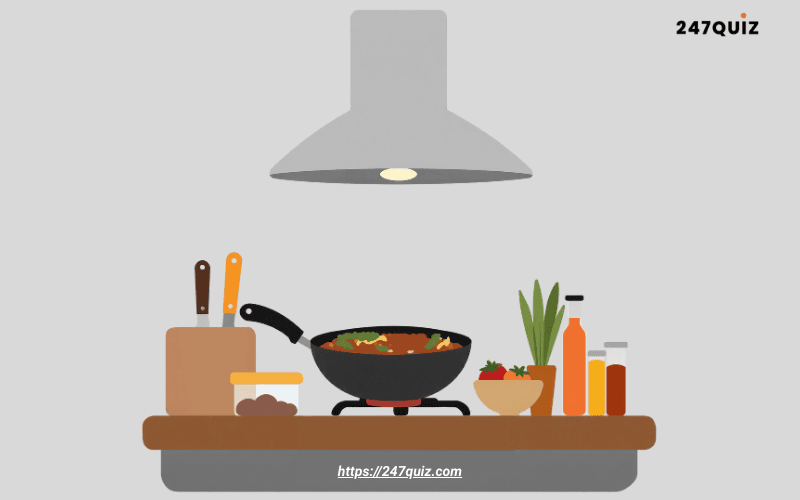
What Does “Stand By Your Pan” Mean?
At its core, “Stand By Your Pan” is a call for uninterrupted supervision.
It instructs anyone cooking—whether frying, grilling, or boiling—to remain in the kitchen for the entire duration of the process.
The logic is rooted in the physics of fire. A pan of oil can reach its auto-ignition point in minutes.
If a cook is present when a wisp of smoke appears, they can turn off the heat and slide a lid over the pan, neutralizing the threat.
If the cook is in another room answering a phone call or watching television, those few seconds of ignition can allow a small flame to transition into a “flashover,” where the entire room is engulfed in life-threatening heat and smoke.
The Origins and History
The concept of “standing by your pan” gained significant traction in the late 20th century, specifically through the efforts of the UK Fire and Rescue Services and the National Fire Protection Association (NFPA) in the United States.
In the 1970s and 80s, “chip pan fires” were a major cause of domestic property damage in the UK. This led to iconic public information films (PIFs) that depicted the terrifying speed of oil fires. As deep-fat fryers and modern stovetops evolved, the messaging shifted from “how to put out a fire” to “how to prevent one.” Fire services realized that the most effective tool against fire wasn’t an extinguisher, but the physical presence of the cook.
The phrase itself is a clever play on the 1968 country hit “Stand By Your Man” by Tammy Wynette. By using a familiar cultural touchstone, safety advocates created a “sticky” piece of advice that was easy to remember during high-stress holiday seasons or busy meal prep times.
Why Is It So Important?
The importance of this mantra cannot be overstated. According to fire safety data, unattended cooking is the leading cause of kitchen fires.
Several factors make “standing by your pan” critical:
- Reaction Time: A grease fire can double in size every 60 seconds. Being at the stove allows for an immediate response (turning off the burner) that is impossible from another room.
- The “Distraction” Factor: In the age of smartphones and multi-tasking, people often underestimate how long they have been away from the stove. “Standing by your pan” enforces a single-tasking mindset.
- Protecting Vulnerable Residents: In environments like care homes or households with children, a kitchen fire is significantly more dangerous due to limited mobility or lack of fire safety knowledge among occupants.
Best Practices for Standing By Your Pan
To truly follow this safety philosophy, one should adopt the following habits:
- The “Timer” Rule: If you must leave the kitchen for even a moment (to answer the door or check on a child), turn the heat off. Use a timer to remind you that the stove is still “active.”
- Clear the Zone: Keep anything that can catch fire—oven mitts, wooden utensils, food packaging, towels—away from your stovetop.
- Turn Handles Inward: While standing by your pan, ensure the handles are turned toward the back of the stove to prevent them from being knocked over by you or a child.
- Know Your Limits: Never cook if you are sleepy, have consumed alcohol, or are taking medication that causes drowsiness. “Standing by your pan” is ineffective if you are not alert.
Test your knowledge on kitchen and fire safety by taking our fire safety quiz which contains 15 question with pass mark 80%.
Test Your Knowledge: Stand By Your Pan Quiz
Conclusion
“Stand By Your Pan” is a testament to the fact that the most sophisticated fire detection systems in the world are secondary to human vigilance.
By staying present, focused, and alert, we act as the first line of defense for our homes and our loved ones.
The next time you turn on the hob, remember: your presence is the most effective fire safety tool you own.